Thinking about buying a brand-new home in Jupiter? It can feel exciting until you realize that “new construction” here does not mean one simple path. In Jupiter, your options can range from estate homes on large lots to golf-club residences to townhome-style condominium living, and each one comes with different timelines, costs, disclosures, and due diligence. This guide will help you understand how the process works, what to watch for, and how to make a smarter decision before you sign. Let’s dive in.
Why Jupiter new construction stands out
Jupiter’s new-construction market is more selective than many buyers expect. Instead of large neighborhoods filled with dozens of similar homes, current inventory is concentrated in smaller, more distinct communities with very different lifestyles and ownership structures.
That matters because your decision is often less about finding the “best deal” and more about finding the right fit. In today’s market, you may be choosing between a quick move-in home and a build-to-order opportunity, or between a private estate setting and a lower-maintenance coastal property.
Some of the current examples in Jupiter show just how varied the market can be. Bridgewater offers luxury single-family homes on 1+ acre homesites, Jupiter Country Club offers a private club setting with single-family and carriage homes, Symphony at Jupiter is a 20-home ultra-luxury community, and Water Pointe is a 35-home townhome-style condominium community near the Intracoastal and Riverwalk.
Know the main product types
Estate homes with more land
If you want space, privacy, and a larger homesite, estate-style communities are a major part of Jupiter’s new-build appeal. Bridgewater, for example, highlights 1+ acre homesites, gated access, no CDD, and fiber internet included in HOA fees.
Some homes in this category may also offer features like private guest houses or even larger 4+ acre sites. If you are moving up from a smaller home or looking for flexible space for guests, hobbies, or multigenerational living, this type of new construction may be worth a close look.
Club lifestyle communities
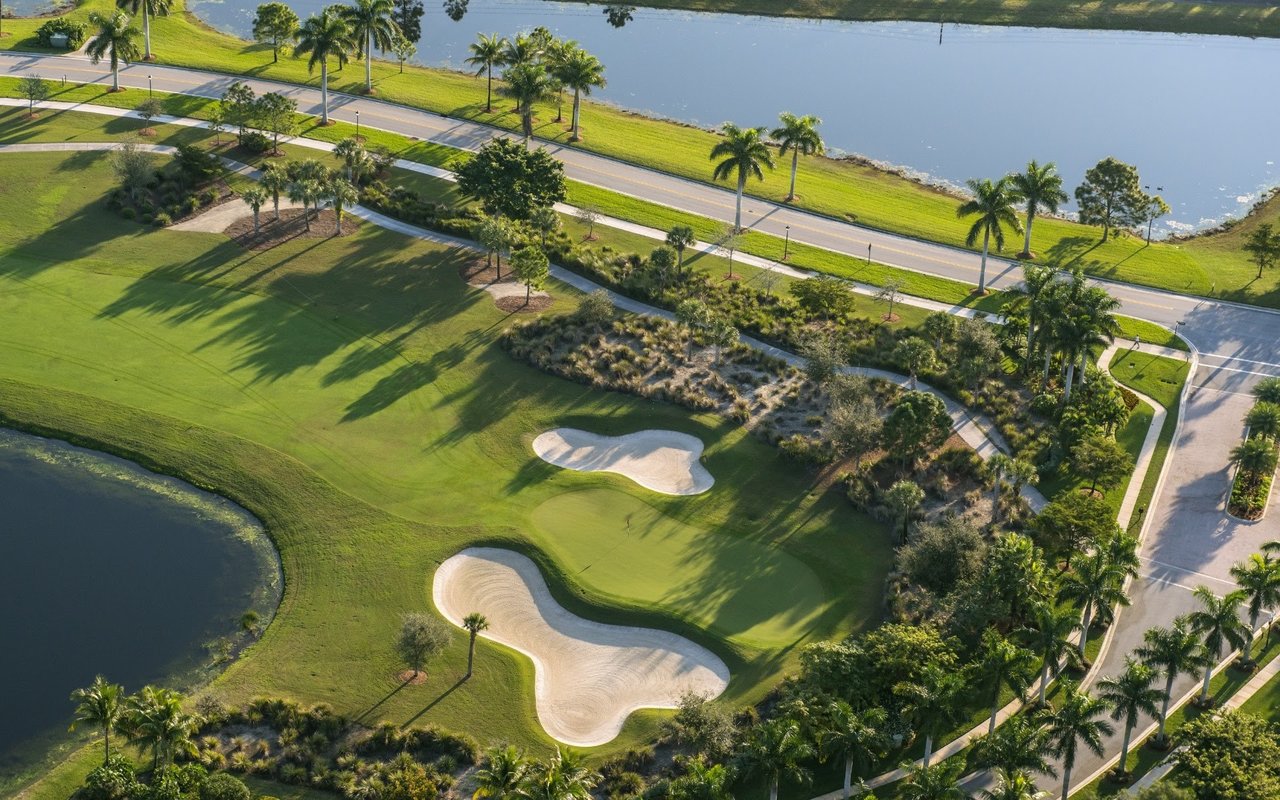
If your priority is amenities and a more structured lifestyle setting, a club community may be a better fit. Jupiter Country Club is a private country club community with luxury single-family and carriage homes, golf-course and lake views, a 24-hour staffed gate, and clubhouse-style amenities.
This type of purchase is usually less about land size and more about bundled lifestyle value. When you compare options, think about how often you will use the amenities and how that affects your total ownership costs.
Coastal lock-and-leave options
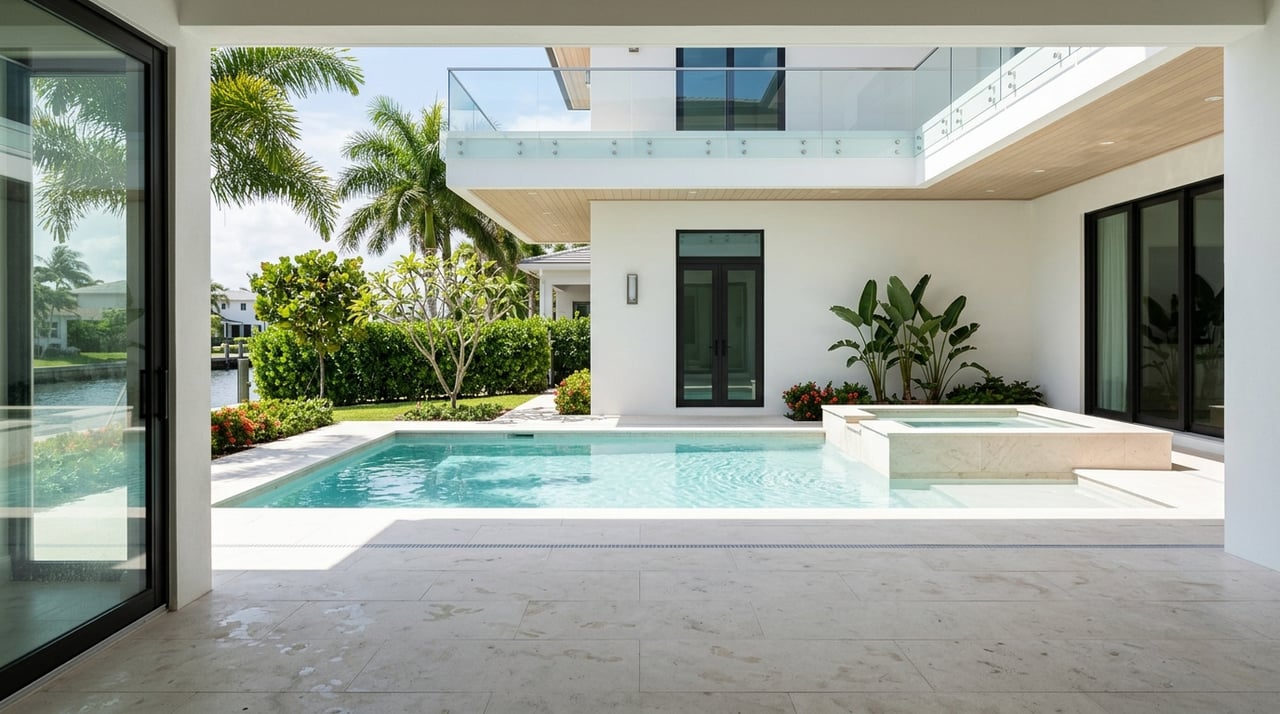
For buyers who want a lower-maintenance second home or seasonal property, Jupiter also offers smaller luxury communities with a more lock-and-leave feel. Symphony at Jupiter is an ultra-luxury 20-home community with modern and coastal-contemporary designs.
Water Pointe takes a different angle with a townhome-style condominium format near the Intracoastal Waterway and Jupiter Riverwalk. It also promotes features like impact-rated windows and doors, quartz countertops, energy-efficient air conditioning, and resort-style amenities, which may appeal if you want newer finishes and easier day-to-day upkeep.
How the buying process usually works
New construction usually follows a more structured path than resale. In general, you can expect to select a community and floor plan, choose a homesite, sign the purchase agreement, make design selections, secure financing, track construction milestones, attend orientation walkthroughs, and then close.
Builders often build this process around milestone reviews. That may include design appointments, pre-drywall meetings, inspections, and a final pre-closing orientation so you can review the home before closing.
In Jupiter, it is also helpful to know that permit tracking is not completely hidden from the buyer. The Town of Jupiter’s JCDS portal allows users to check permit activity, review status updates, and schedule inspections online, and the Town states that all construction requires a permit.
The Town also notes that updated Florida State Building Codes apply to permit applications dated January 1, 2024 or later. That makes permit status, inspections, and final completion more than just builder paperwork. They are part of your due diligence.
Quick move-in vs build-to-order
This is one of the biggest choices you will make in Jupiter’s new-construction market. Because several communities are limited-release or nearing closeout, you may not have endless opportunities to build from scratch.
For example, Bridgewater has stated that it is offering only quick move-in homes and that its final homes are now selling. In a market like Jupiter, timing matters. If you love a specific community, waiting too long could mean losing the floor plan, homesite, or product type you wanted.
A quick move-in home can offer more certainty around pricing, finishes, and timeline. A build-to-order home may give you more personalization, but it can also introduce more variables around options, milestones, and completion dates.
Base price is not the final price
One of the most important things to understand is that the advertised starting price is rarely your final number. In Jupiter’s new construction market, lot premiums, upgraded floor plans, optional features, and finish packages can all change the real cost.
Symphony at Jupiter notes that certain homesites may have additional cost that is not reflected in the base price. Water Pointe also notes that some plans are only offered at an upgraded-option price, and that published square footage is estimated.
Builders also commonly state that prices, specifications, and availability can change without notice. That means you should evaluate the full written offer, not just the headline price shown in marketing materials.
Costs to ask about early
Before you move forward, ask for a detailed breakdown of:
- Base price
- Homesite or lot premium
- Structural options
- Design-center upgrades
- Appliance and finish packages
- HOA costs
- Club or amenity-related costs, if applicable
- What is included versus optional
This step is especially important in Jupiter because ownership costs can vary widely by community type. A large-lot estate home, a private club residence, and a townhome-style condominium may all come with very different monthly and long-term expenses.
Personalization matters more than buyers expect
In many Jupiter communities, the real decision is not just square footage. It is also your homesite, finish level, outdoor living setup, and optional upgrades.
Symphony encourages buyers to work with a community sales consultant to personalize optional features and upgrades. Jupiter Country Club materials also mention professional interior color selection assistance at the regional design studio.
If design matters to you, get clear on deadlines and pricing before you sign or finalize selections. Changes made later in the process can be more limited and may affect your budget.
Jupiter due diligence: flood and insurance
Because Jupiter is a coastal market, flood risk should be part of your decision from day one. The Town of Jupiter states that FEMA’s new flood maps became effective on December 20, 2024, and directs owners to Palm Beach County’s flood-zone lookup tool.
The Town also states that standard homeowners insurance does not cover flood damage and that flood policies usually have a 30-day waiting period. Palm Beach County further notes that all County residents reside in a flood zone, and that thousands more residents were added to high-risk flood zones.
That does not mean every property carries the same risk or insurance profile. It does mean you should verify flood-zone status, insurance availability, and estimated premium costs before contract, not after.
Smart flood questions to ask
Use these questions as part of your due diligence:
- What flood zone is the property in today?
- Has the flood-zone designation changed under the latest maps?
- Will your lender require flood insurance?
- What are the estimated annual insurance costs?
- Is an elevation certificate available?
- Are there any community-specific insurance considerations?
The Town of Jupiter also states that its Building Department can assist with flood-zone determinations and FEMA elevation certificates. That can be valuable when you are comparing one community to another.
Property taxes can change sharply after completion
Taxes on new construction often surprise buyers, especially if you are comparing a new home to a resale with an established tax history. In Palm Beach County, property is assessed as of January 1 each year.
The Palm Beach County Property Appraiser explains that new improvements are assessed at just value as of January 1 of the first tax year after they are substantially completed. That value is not based on permit cost.
If you are buying a new build, the early tax estimate you see may not reflect the home’s fully completed value. This is especially important if you are moving from a homesteaded property where your assessed value had been capped for years.
Tax items to review before closing
Make sure you understand:
- Whether the current tax figure reflects land only or partial improvements
- When the home is expected to be substantially completed for assessment purposes
- How a change in ownership may reset assessed value to market value
- Whether you plan to file for homestead exemption by March 1
The Florida Department of Revenue states that homestead assessment increases are capped at 3% or CPI, whichever is lower. Still, your starting assessed value on a new build can be very different from the tax history shown during construction.
Condo and townhome-style condo rules are different
If you are buying a condominium-style property such as a townhome-style condominium, Florida law adds extra disclosure and contract rules. This matters for products like Water Pointe.
Under Florida Statute 718.503, the developer must deliver required documents, the contract must include a 15-day voidability notice, and you can cancel within 15 days after receiving the required documents. The law also states that buyers should not rely on oral statements instead of the written contract and disclosure package.
Under Florida Statute 718.202, payments up to 10% of the sale price must be escrowed until completion, with refunds if the buyer properly terminates. If you are comparing a single-family home to a condominium-style unit, remember that the contract framework is not identical.
Builder warranty protections to understand
Warranty coverage is another area where property type matters. Florida’s mandatory builder warranty statute gives a newly constructed single-family home a 1-year warranty for certain construction defects that materially violate the Florida Building Code.
Condominium law provides implied warranties for unit and common-component items, with longer structural coverage for certain roof, mechanical, electrical, and plumbing components in some cases. Builders may also offer longer written warranties, but those terms must meet or exceed Florida’s statutory minimums.
Before closing, ask for every warranty document in writing. Review what is covered, how claims are made, and where builder coverage ends and manufacturer coverage begins.
A practical Jupiter buying checklist
If you want a smoother experience, focus on the issues that matter most in Jupiter’s new-construction market:
- Match the community type to your lifestyle and ownership goals
- Compare quick move-in versus build-to-order timing
- Review lot premiums, upgrades, and included features carefully
- Confirm permit and inspection progress with the Town of Jupiter as needed
- Verify flood-zone status and insurance costs before contract
- Estimate future property taxes based on completed value, not early tax history
- Understand whether the purchase is single-family or condominium-style, since disclosure and deposit rules differ
- Review builder and statutory warranty coverage in writing
A brand-new home can offer modern finishes, lower early maintenance needs, and a strong lifestyle fit. The key is making sure you understand the full picture before you commit.
Buying new construction in Jupiter can be rewarding when your home, community, and contract structure all align with your goals. If you want expert guidance on comparing communities, evaluating total ownership costs, and navigating the details with clarity, connect with Stephanie Muzzillo.
FAQs
What makes new construction in Jupiter different from other markets?
- Jupiter new construction is concentrated in smaller, distinct communities, so buyers are often choosing between limited inventory, different ownership structures, and very different lifestyle offerings rather than large numbers of similar homes.
What should buyers in Jupiter ask about new-construction pricing?
- You should ask about the base price, lot or homesite premiums, upgrade costs, what features are included, HOA costs, and whether the listed plan price reflects the actual home configuration being offered.
What flood-insurance issues matter when buying a new home in Jupiter?
- You should verify the property’s current flood zone, whether a lender will require flood insurance, estimated premium costs, and whether an elevation certificate is available, since the Town states standard homeowners insurance does not cover flood damage.
What should buyers know about property taxes on a new construction home in Palm Beach County?
- New construction taxes may rise after the home is substantially completed because Palm Beach County assesses new improvements at just value as of January 1 of the first tax year after completion.
What is different about buying a condominium-style new construction property in Jupiter?
- Condominium-style purchases in Florida can come with required disclosures, a 15-day voidability period after receipt of documents, and escrow rules for certain deposits, so the contract structure differs from a typical single-family purchase.
What warranty protection applies to a newly built home in Florida?
- A newly constructed single-family home has a statutory 1-year warranty for certain construction defects that materially violate the Florida Building Code, and condominium purchases may include different implied warranty protections depending on the component involved.