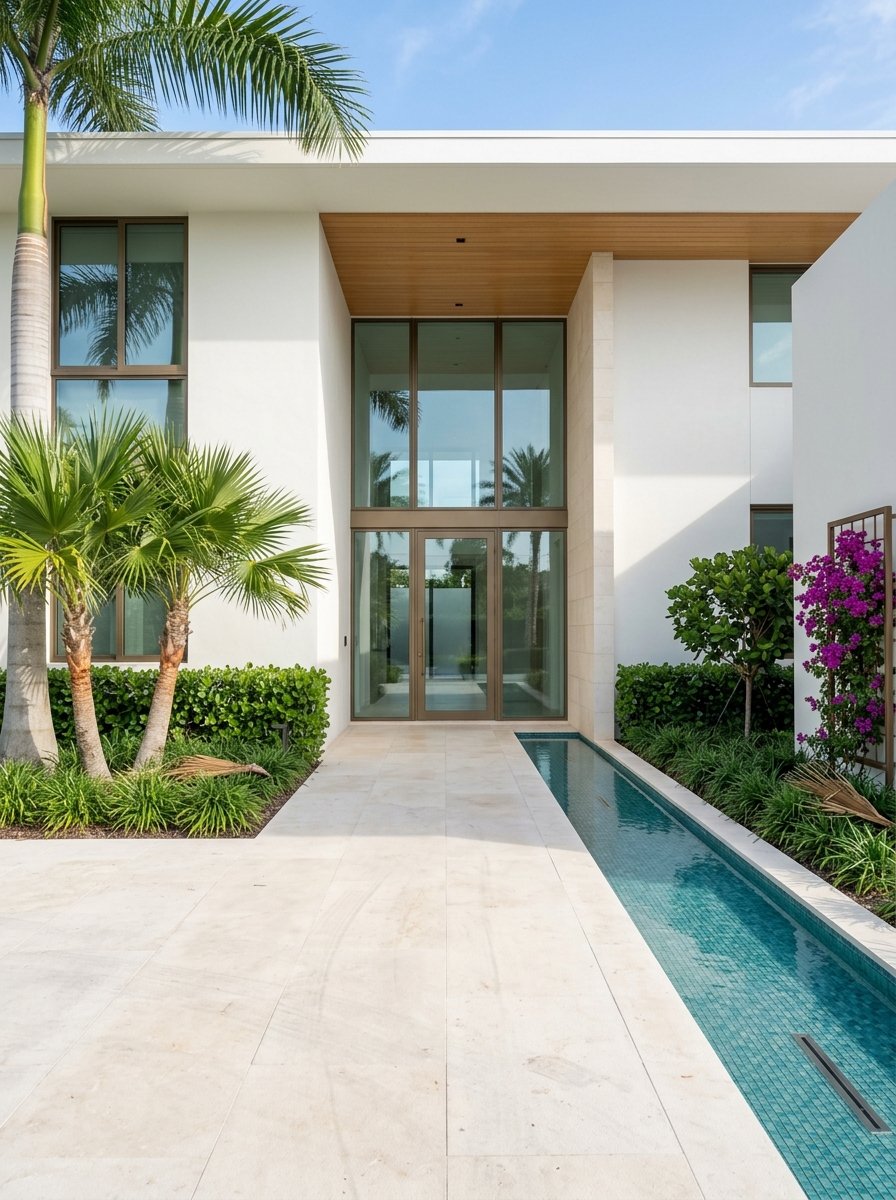
If you are choosing between a Delray Beach condo and townhome, the biggest mistake is assuming they all offer the same lifestyle. In reality, a property just a few blocks away can come with a very different setting, ownership structure, fee schedule, and storm-readiness profile. The good news is that with the right framework, you can narrow your options faster and choose a home that truly fits how you plan to live. Let’s dive in.
Start With Location First
In Delray Beach, location is not just about distance to Atlantic Avenue or the beach. The city divides its downtown Central Business District into five sub-districts: Beach, Central Core, Railroad Corridor, South Pairs Neighborhood, and West Atlantic Neighborhood. Each area has its own development pattern, density, and overall feel.
The Central Core is planned for higher residential density and a more pedestrian-oriented experience. If you want a more urban, walkable setting near restaurants, shops, and downtown activity, this area may line up with your goals. The Beach sub-district, east of the Intracoastal Waterway, has stricter density limits and its own coastal planning considerations.
If you prefer a quieter setting, a townhome on the west side or in a less intense mixed-use area may feel like a better fit. The West Atlantic area is more neighborhood-oriented and lower density. That can matter if you want a little more separation from the busiest downtown blocks.
Why Two Nearby Properties Can Feel Different
Even when two condos are close to each other, the experience may not be the same. Delray Beach design rules place strong emphasis on building scale, composition, and architecture that fits the surrounding area. That means block-by-block character can vary more than buyers expect.
If views, privacy, or the long-term feel of the street matter to you, look beyond the listing photos. Pay attention to the surrounding parcels, the intensity of nearby development, and how the area is regulated. That extra step can help you avoid buying into a location that looks right online but feels off in person.
Confirm What You Are Actually Buying
A townhome is not always an HOA property in Florida. Some townhomes are legally condominiums, while others fall under a homeowners’ association structure. The name on the listing does not tell you enough, so you need to confirm the governing documents before you move forward.
This matters because condos and HOA-governed properties follow different disclosure and record rules. For condo purchases, Florida requires a condo disclosure package before sale. For HOA-governed property, buyers receive a separate disclosure summary before the purchase contract is executed, and that summary makes clear that owners will owe assessments and may face special assessments.
Why the Ownership Structure Matters
The legal setup affects what you own, what the association maintains, and which records you can review. In a condo, the association must maintain key governing records, budgets, financial reports, insurance policies, and, when applicable, inspection reports and structural integrity reserve studies. Many larger condo associations must also post important documents online.
HOA communities also have official-records and financial-reporting requirements, but the responsibilities can look different. That is why comparing two properties based only on monthly dues can lead you in the wrong direction. You need to understand what those fees cover and what future obligations may still fall on you.
Look Beyond the Monthly Fee
A lower monthly fee does not always mean a better value. In Delray Beach, especially for coastal and seasonal properties, your true carrying cost includes much more than association dues. You should also factor in maintenance responsibility, insurance, reserve funding, and the chance of future assessments.
For condos, Florida law places common-element maintenance responsibility on the association and requires adequate property insurance for the association property and common elements. That can reduce some day-to-day ownership tasks. But it does not remove the possibility of insurance deductibles, interior repair responsibility inside your unit, or post-storm assessments.
Questions To Ask About Fees
Before you tour or make an offer, ask:
- What exactly do the monthly fees cover?
- Are reserves fully funded, partially funded, or under pressure?
- Are there any pending or recent special assessments?
- What insurance does the association carry?
- What repairs or replacements are likely in the near term?
These answers can change how affordable a property really is over time. They can also help you compare a newer condo, an older building, and a townhome on equal footing.
Review Reserves, Inspections, and Building Health
Structural due diligence is a key part of condo buying in Florida. Residential condominium and cooperative buildings that are three habitable stories or higher must complete milestone inspections at 30 years of age and every 10 years after that. Existing owner-controlled condo associations must also complete structural integrity reserve studies by December 31, 2025, for qualifying buildings.
This is why the financial side of a building deserves as much attention as the floor plan. A beautiful unit can still come with a building-level issue that affects your budget later. Reviewing inspection records, reserve studies, and association financials can give you a much clearer picture of building health.
What To Watch For
When reviewing condo documents, pay close attention to:
- Inspection reports and any recommended repairs
- Structural integrity reserve studies, when applicable
- Reserve balances and whether funding appears current
- Language about deferred maintenance or upcoming work
- Any mention of special assessments or anticipated cost increases
For townhome communities under an HOA, financial reports still matter. Some HOA reports must disclose when reserve accounts are not fully funded and special assessments may follow. That means townhome buyers should do the same level of financial review, even if the property feels more like a single-family home.
Compare Storm and Flood Exposure
In Delray Beach, storm readiness is not a side issue. The city states that its coastal geography creates vulnerability to tidal flooding, storm surge, and heavy rainfall. If you are looking east of the Intracoastal Waterway or near the beachfront, this part of the decision deserves extra attention.
The city also directs buyers to check flood zones and Base Flood Elevation and reminds residents that flood zone and evacuation zone are not the same thing. That distinction matters because a property can have one type of risk without matching the other. It also matters because flood insurance should be considered even outside high-risk zones.
Why This Matters for Seasonal Owners
If you plan to use the home part-time, storm planning becomes even more important. Delray Beach notes that flood insurance typically has a waiting period, so you should not wait until a storm is approaching to put coverage in place. Seasonal owners should also think through vacancy periods, emergency contacts, and building preparedness before closing.
The Atlantic hurricane season runs from June 1 through November 30. The city recommends having a written emergency plan, reviewing insurance policies, and identifying evacuation routes before the season begins. For many second-home buyers, that practical planning is just as important as beach access or amenities.
Use Parking and Access as a Real Filter
Parking can have a major effect on your daily experience in Delray Beach. Delray Municipal Beach sits at the east end of Atlantic Avenue and spans 1.5 miles of coastline. The city notes that there are two public beaches within city limits, and beach parking permits run from October 1 to September 30 for both residents and non-residents.
Downtown parking also includes time-limited spaces, garages, and beachside lots for longer stays. That means your property’s location should be evaluated with real-life logistics in mind. If you expect guests, drive frequently, or plan regular beach days, parking should move much higher on your checklist.
What To Verify Before Touring
Ask each property about:
- Assigned parking spaces
- Guest parking availability
- Storage for beach gear or bikes
- Elevator access, if applicable
- Distance to downtown and beach parking options
- Whether certain amenities are deeded, association-funded, or simply nearby
These details can shape your routine more than a polished lobby or staged terrace. A property that looks perfect online may feel less convenient once you start thinking about weekends, visitors, and everyday use.
Read Pet, Rental, and Guest Rules Early
Rules can strongly affect whether a condo or townhome works for you, especially if you are buying a second home or investment property. In Delray Beach, some local rules also affect how you use nearby public spaces. For example, the city states that pets are prohibited on the Municipal Beach and Atlantic Dunes Park, with only limited sidewalk access near A1A.
Association rules are just as important. Florida’s condo and HOA disclosure systems make clear that the governing documents, not the listing remarks, control assessments and use restrictions. That is why you should review pet, rental, and guest clauses before you fall in love with a property.
Focus on Your Actual Lifestyle
A few of the most important questions include:
- Are there limits on rentals or lease frequency?
- Are there pet restrictions by number, weight, or type?
- Are guest stays limited?
- Are there approval requirements for tenants or occupants?
These are not minor details. They can directly affect whether the property works as a primary residence, second home, or investment.
A Simple Decision Framework
If you want to simplify your search, follow this order:
- Choose the Delray Beach area that best fits your lifestyle.
- Confirm whether the property is a condo or HOA-governed townhome.
- Review fees, reserves, insurance, and disclosure documents.
- Evaluate parking, access, amenities, and day-to-day convenience.
- Stress-test storm, flood, and seasonal ownership considerations.
This approach helps you compare properties based on how they actually function, not just how they photograph. In Delray Beach, those practical differences can change sharply from one block or building to the next.
The right condo or townhome is not just the one with the nicest finishes. It is the one that matches your goals, your comfort level with rules and costs, and the way you want to live in Delray Beach. If you want expert guidance as you compare buildings, fees, and lifestyle fit, connect with Stephanie Muzzillo for a tailored, concierge-level approach to your search.
FAQs
What should you check first when choosing a Delray Beach condo or townhome?
- Start with the submarket or district that best matches your lifestyle, then review ownership structure, fees, parking, and storm-related factors.
How can you tell if a Delray Beach townhome is a condo or an HOA property?
- You need to review the governing documents and disclosures because the listing label alone does not confirm whether the property falls under the condominium or HOA structure.
Why do condo fees vary so much in Delray Beach buildings?
- Monthly fees can differ based on what the association maintains, insurance coverage, reserve funding, building age, inspections, and whether major repairs or assessments are pending.
What flood and storm issues matter for Delray Beach condo buyers?
- Buyers should review flood zone information, Base Flood Elevation, evacuation considerations, insurance timing, and the property’s exposure to tidal flooding, storm surge, and heavy rainfall.
What rules should you review before buying a Delray Beach second home?
- Read the association’s pet, rental, guest, parking, and use restrictions early so you know whether the property fits your plans for personal use, guests, or seasonal occupancy.