Trying to choose between a waterfront condo and a house in West Palm Beach? Both give you water views and access to the coastal lifestyle, but the day-to-day living, costs, and long-term risk feel very different. You want convenience and value without surprises, especially with insurance, flooding, and maintenance top of mind. This guide breaks down the tradeoffs so you can buy with clarity and confidence. Let’s dive in.
Condo vs. house at a glance
Waterfront condos
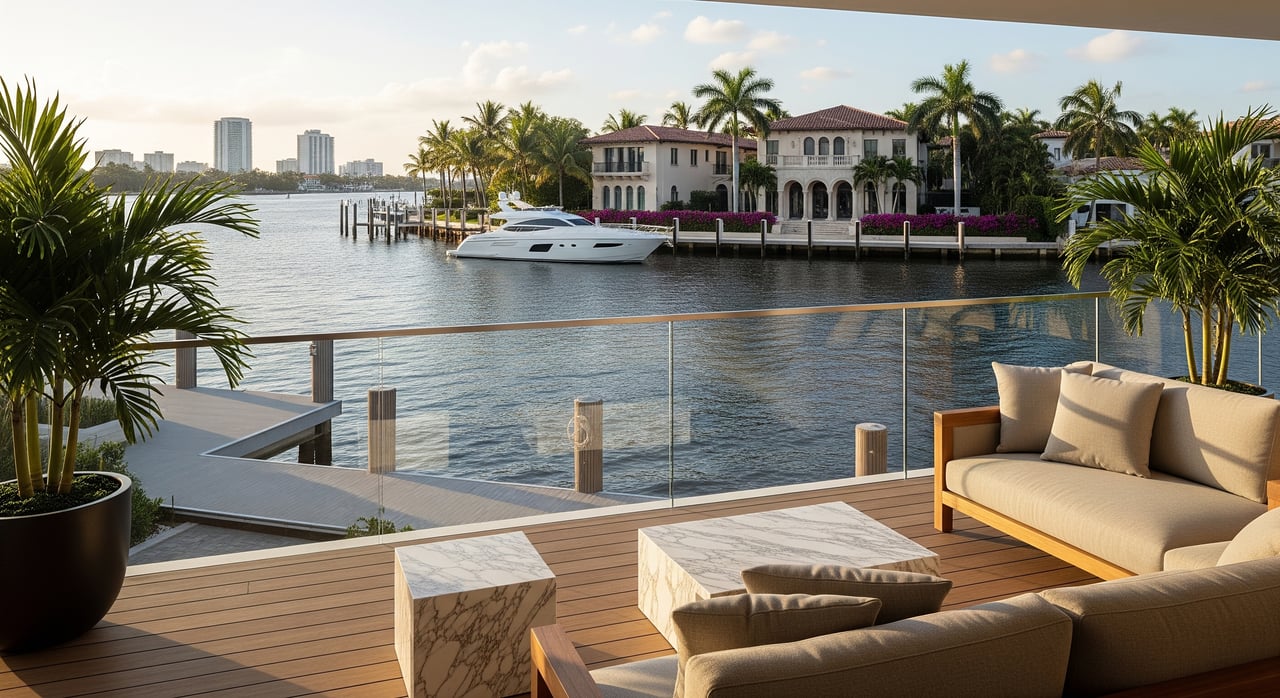
Waterfront condos across West Palm Beach and the Palm Beach County coastline range from mid-rise buildings to luxury towers. You typically get turnkey living with amenities like pools, security, and building maintenance handled by the association. Purchase prices often come in lower than single-family waterfront estates, though views, amenities, and building age can push premium pricing. You will, however, budget for association dues and follow building rules.
Waterfront single-family homes
Waterfront homes often deliver private outdoor space, docks, and larger lots on the Intracoastal or oceanfront streets. They command higher price tags because of land, privacy, and control over your property. You carry more direct responsibility for maintenance, insurance, and waterfront structures like seawalls and docks. Appreciation can behave differently than condos and may be more volatile at the luxury end.
Total cost of ownership in West Palm Beach
Upfront costs and fees
Waterfront single-family homes generally sell for more than comparable waterfront condos because of lot size, docks, and privacy. Condos can include association-specific closing items such as estoppel or transfer fees. If you are comparing options, request complete closing cost estimates for each property type early in your search.
Recurring expenses
- Condos: Expect monthly association dues that can cover building insurance on the structure, exterior maintenance, common areas, elevators, security, and amenities. Dues vary widely by building and services. Budget for them as a core part of your housing cost.
- Homes: You avoid building-level dues unless the community has an HOA, but you take on landscaping, exterior upkeep, and water-facing elements like docks and seawalls. Plan for scheduled maintenance and larger capital items over time.
Insurance and taxes
Waterfront properties face higher insurance costs relative to inland homes. You will typically review homeowners or windstorm coverage and flood insurance. Lenders often require flood insurance when a property lies in a Special Flood Hazard Area; even if not required, flood coverage is advisable for most waterfront locations. Palm Beach County property taxes reflect assessed value and local millage; homestead exemptions and assessment caps can help primary residents plan long term.
Financing: what lenders look at
Condo project approval
Condo loans are approved based on both the borrower and the building. Lenders review owner-occupancy ratios, budget reserves, any pending litigation, and delinquency rates. Some programs have strict project-approval criteria, which can affect down payment, interest rate, and speed to close.
Single-family underwriting
Single-family homes are underwritten primarily on the property and borrower, which can make approval more straightforward if the home meets flood-zone and standard underwriting requirements. For both property types, insurance availability and perceived coastal risk can influence loan terms and down payment expectations.
Waterfront maintenance and environment
Storm surge and tidal flooding
Palm Beach County is a low-lying coastal area impacted by hurricanes, storm surge, and seasonal high tides. Small differences in elevation can change your risk profile. Review FEMA flood maps and obtain an elevation certificate when available so you understand both current and projected exposure.
Seawalls and docks
If you buy a single-family waterfront home, the condition and permitting history of seawalls and docks are critical. Many seawalls pre-date current standards and can require significant repair or replacement. Permits for alterations often involve city or county agencies, the Florida Department of Environmental Protection, and, in some cases, the U.S. Army Corps of Engineers. Confirm records before you finalize your offer.
Salt air and building care
Salt air accelerates corrosion and wear on exterior finishes, metal components, and HVAC systems. Whether you buy a condo or a house, plan for coastal-specific maintenance. For older condominiums, review reserve studies and recent capital projects to understand how the association is funding repairs.
Structural safety for condos
In the wake of high-profile building failures, structural inspections and safety records for older mid- and high-rise buildings have become a greater focus across Florida. Ask for inspection histories, engineering reports, and upcoming capital plans. This helps you gauge future assessments and peace of mind.
Rules, rentals, and resale
Condo governance and special assessments
Florida condominium law outlines how associations operate. Read the governing documents, budgets, reserves, recent meeting minutes, insurance certificates, and any litigation summaries. Associations can levy special assessments for major repairs; low reserves or deferred maintenance increase this risk and can materially affect your total cost of ownership.
Short-term rentals and local codes
Short-term rental rules vary by municipality and association. Many condominium buildings limit or prohibit short stays, and some neighborhoods have local rules for vacation rentals. If rental income is part of your plan, verify association and city regulations before you buy.
Resale considerations
Condos appeal to buyers who value convenience and amenities, but resale can be impacted by building age, maintenance posture, and governing rules. Single-family waterfront homes attract buyers seeking private docks and larger lots, though the pool of buyers can narrow at very high price points. Think about your likely future buyer to inform renovation and holding decisions.
Buyer due-diligence checklist
Use this quick list to compare properties and avoid surprises:
- Verify the current FEMA flood zone and, if available, obtain an elevation certificate.
- Request quotes for homeowners or windstorm and flood insurance for both condos and single-family homes.
- For condos: collect the HOA packet, including budget, reserve study, 6 to 12 months of meeting minutes, insurance declarations, rental policy, owner-occupancy percentage, any pending lawsuits, and an estoppel letter.
- For houses: request records on seawall and dock age, permits, and condition reports. Clarify who maintains and funds repairs.
- Order inspections: structural, roof, HVAC, termite, and mold. For seawalls and docks, engage a marine contractor or engineer.
- Confirm local short-term rental rules and HOA restrictions if you plan to rent.
- Check utilities, sewer vs. septic, stormwater systems, and any history of flooding.
- Verify property boundaries, easements, and any recorded stormwater or public access easements.
- Ask the seller for invoices and documentation for coastal-specific repairs and retrofits.
Seller prep checklist
If you plan to list a waterfront condo or home, you can build buyer confidence with the right materials:
- Gather HOA documents, reserve studies, recent meeting minutes, insurance declarations, and recent invoices for major repairs.
- Obtain up-to-date inspections for roof, structure, and marine components such as seawalls and docks.
- For condos, disclose any pending assessments or litigation and address deferred maintenance where feasible.
- For houses, compile seawall and dock histories, including permits and inspection reports.
How to choose for your lifestyle
Choose a waterfront condo if
- You want a lock-and-leave residence with amenities and building maintenance included.
- You prefer predictable monthly dues over coordinating exterior repairs yourself.
- You value security, concierge services, and social amenities common in larger buildings.
Choose a waterfront house if
- You want private outdoor space, a private dock, and control over waterfront improvements.
- You are comfortable managing maintenance, insurance, and marine structures.
- You want architectural individuality and potential for larger appreciation swings in rising markets.
Plan your risk tolerance and timeline
- Financial planning: Compare total cost of ownership across dues, insurance, routine upkeep, and capital projects like seawall work.
- Governance vs. control: Condos spread building risk across owners but add association rules and assessment exposure. Houses give you control while concentrating risk and responsibility.
- Resilience horizon: If you expect a long holding period, factor in sea level rise, local resilience planning, and evolving insurance markets.
Next steps
- Get pre-approved for both scenarios so you can compare terms for a condo and a single-family purchase.
- Request insurance quotes early. Understanding windstorm and flood premiums can change your budget and your property short list.
- For condos, review the association’s reserves, inspection history, and capital plan. For homes, inspect seawalls and docks with a marine professional.
- Tour neighborhoods by water and by street to gauge elevation, dock access, and lifestyle fit.
When you are ready to compare specific properties, our team can guide you through due diligence, vendor introductions, and strategic negotiations so you can buy with confidence. To discuss your plan or request a complimentary home valuation, connect with Stephanie Muzzillo.
FAQs
What are the biggest cost differences between a West Palm Beach waterfront condo and house?
- Condos carry monthly association dues that cover building operations and insurance on the structure, while houses avoid building dues but require direct spending on landscaping, exterior upkeep, and marine structures like docks and seawalls.
Do I need flood insurance for a waterfront property in Palm Beach County?
- Lenders often require flood insurance in Special Flood Hazard Areas, and it is advisable for most waterfront properties even when not required; obtain quotes early to understand the ongoing cost.
How do condo association rules affect my purchase and resale?
- Association budgets, reserves, rental policies, and any litigation can influence financing, carrying costs, and buyer demand at resale, so review the full HOA packet before making a final decision.
What inspections are essential for West Palm Beach waterfront homes and condos?
- Order structural, roof, HVAC, termite, and mold inspections for all properties, and add a marine contractor or engineer review for seawalls and docks on single-family homes.
Can I do short-term rentals in a waterfront condo in West Palm Beach?
- Many associations limit or prohibit short-term rentals and local codes may add requirements, so verify building rules and city regulations before buying if rental income is part of your plan.