According to the report, earlier this year a couple in Old Town painted twelve pickets on their fence in rainbow colors. The city told them to repaint them white or face fines of up to $250 a day. They repainted. By May, the dispute had become a federal lawsuit, with the ACLU of Florida suing the city on their behalf and arguing the code was enforced selectively while other Old Town fences carried colors well outside the standard palette. According to Keys Weekly, as of this September, the city remains a defendant in that case.
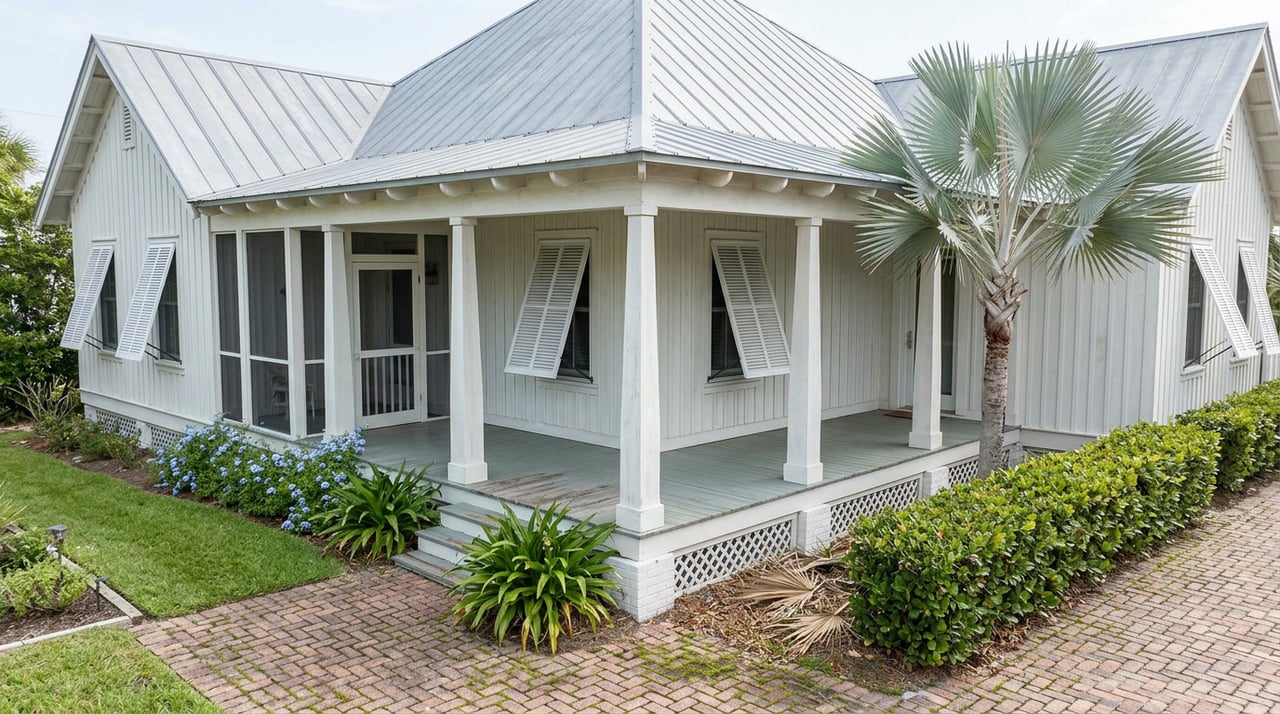
Whatever the legal outcome, the dispute is a useful window into something every buyer and seller of a historic Old Town property needs to understand before they close: in this district, paint is not a cosmetic decision. It is a regulated one. And the rule that makes a fence picket a matter for the city's Historic Architectural Review Commission is the same rule that governs windows, roofs, landscaping, and nearly everything else a homeowner might want to touch on the outside of a historic structure.
The Rule Behind the Fence
Key West's Historic Preservation Division puts it plainly: a Certificate of Appropriateness is required for the construction of any new structure, and for the painting, repainting, repair, alteration, remodeling, landscaping, or demolition of the exterior of any existing building, fence, deck, sign, or lot in the historic district. The city's own guidance goes further, stating that all exterior work needs HARC approval whether or not a building permit is required.
That last part is the piece most buyers miss. A building permit and a Certificate of Appropriateness are two separate approvals, issued by two different reviews, and a project can trigger one without the other. Repainting a house the same color it already is might not need a building permit. It still needs sign off from HARC, because color, material, and detailing are exactly what the commission was created to protect.
Contributing Structures Get Watched Closer
Not every historic-looking building in Old Town carries the same weight in review. The city's Land Development Regulations define a historic building as one built 50 or more years ago, located in the historic zoning district. From there, a structure survey classifies each building as either contributing, meaning it adds to the historic and architectural character of the district and falls within its period of significance, or noncontributing.
That classification changes what you can do to a house.
| Contributing structure | Noncontributing structure | |
|---|---|---|
| Review standard | Alterations and additions reviewed against original materials, form, and detailing | More latitude for modern materials and changes |
| Typical examples | Homes within the district's recognized period of historic significance | Newer infill or additions built outside that period |
| What it means for an owner | Repairs generally favor restoration over replacement | HARC still reviews, but with fewer restrictions |
The regulations for alterations and additions to contributing buildings are firmer than those for noncontributing ones. A listing sheet will not tell you which category a house falls into. That takes a records request or a conversation with the Historic Preservation Planner before an offer, not after.
One Agenda, Ten Slots
HARC meets once a month, and to keep the review process manageable, the commission accepts a maximum of ten new major projects per monthly agenda. Once that cap is reached, additional major projects are typically deferred to the following month, though staff can make case-by-case exceptions.
Small projects and routine maintenance can often get staff-level approval from the Historic Preservation Planner without going before the full commission, which keeps minor work moving. But anything that counts as a major project, a new addition, significant alteration, or new construction, is competing for one of ten seats on a calendar that only turns over twelve times a year.
For a buyer planning a light renovation before moving in, or a seller trying to finish updates before listing, this is the detail that actually sets the timeline. Submit late in a busy month and the project may not be heard until the next cycle. That is a full month added to a schedule before a contractor even picks up a hammer.
Windows Are Not a Weekend Project
Ask any general contractor working in Old Town and they will tell you window replacement is one of the most common places buyers underestimate cost and time. Historic windows generally must be repaired rather than replaced unless they are severely deteriorated. A quick swap to standard vinyl units might take a weekend crew a single afternoon in a non-historic neighborhood. Sash repair and custom matching take longer and cost more.
What This Does to the Numbers
Here is where the process detail turns into something buyers and sellers should actually price in.
Active Old Town listings have carried a median asking price around $1.7 million for much of 2026, according to category-level listing data for the neighborhood. But the median closed sale price for homes in Old Town over the trailing twelve months sits closer to $1.4 million, up roughly 17 to 18 percent year over year. Homes in that same window have taken about 111 to 112 days to sell, compared with a 53-day national average.
The easy read is that Old Town is simply a slow market with ambitious sellers. A more accurate read, given everything above, is that the days-on-market gap is partly a diligence gap. A buyer weighing a historic property is not just evaluating square footage and finishes. They are trying to find out whether the fence was ever approved, whether the house is classified contributing or noncontributing, whether past window work was done to code, and whether any pending project is sitting in next month's HARC queue instead of this month's. None of that shows up in a listing photo. All of it affects what a buyer is willing to pay and how fast they are willing to move.
Sellers who can hand a buyer a clean approval history and current Certificates of Appropriateness are selling something meaningfully different than a seller who cannot. The house looks the same in a photo. The transaction is not the same at all.
Before You Write an Offer or List a Renovation
A few habits make this process manageable rather than surprising.
- Request the property's HARC file and any Certificates of Appropriateness before waiving inspection contingencies. Past approvals, or the lack of them, tell you what you are actually allowed to change later.
- Confirm contributing versus noncontributing status early. It changes both your renovation budget and your review timeline.
- If a renovation needs to be finished before a listing date or a move-in date, submit for HARC review with the monthly cap in mind. Late submissions in a busy month can push a project a full cycle.
- Budget window work as restoration, not replacement.
FAQ
Do I need HARC approval to repaint my house the same color it already is? Yes. The requirement covers repainting regardless of whether the new color matches the old one or whether a building permit is otherwise needed for the work.
How long does HARC review actually take? The commission meets monthly and caps new major project submissions at ten per agenda. Projects that don't make the cutoff are typically pushed to the following month, though small or routine maintenance work can sometimes be approved at the staff level without a full commission review.
What's the practical difference between a contributing and noncontributing structure? Contributing structures fall within the district's recognized period of historic significance and face firmer standards for alterations and additions. Noncontributing structures still go through HARC review, but with more flexibility on materials and changes.
If you're weighing a historic purchase in Old Town, or trying to time a renovation around a sale, this is exactly the kind of detail that belongs in the conversation before you write an offer, not after. Stephanie Muzzillo and the Luxury Palms Group coordinate staging, renovation timelines, and listing strategy for historic and waterfront properties across the Florida Keys and Palm Beach County. Request a complimentary home valuation to talk through what your property's approval history means for its timeline and its price.
This article is general information, not legal, tax or financial advice. Consult a qualified professional about your situation.